
The Prize Moment That Didn’t Break Through
Percival Everett won the Pulitzer Prize for Fiction in May 2025 for James, a novel that retells Mark Twain’s American classic from the perspective of Jim, the enslaved character at the heart of Huckleberry Finn. This matters. This is the kind of moment that should reshape how we read and teach foundational American literature. And yet, for most readers outside literary circles, it landed like a whisper instead of a shout.

The accolades kept stacking. James had already claimed the 2024 Booker Prize, making Everett one of a select group of authors to win both major English-language literary prizes for the same work. The Pulitzer Prize 2025 Fiction announcement came with genuine critical enthusiasm. Major outlets covered the win. And then the cultural conversation moved on.
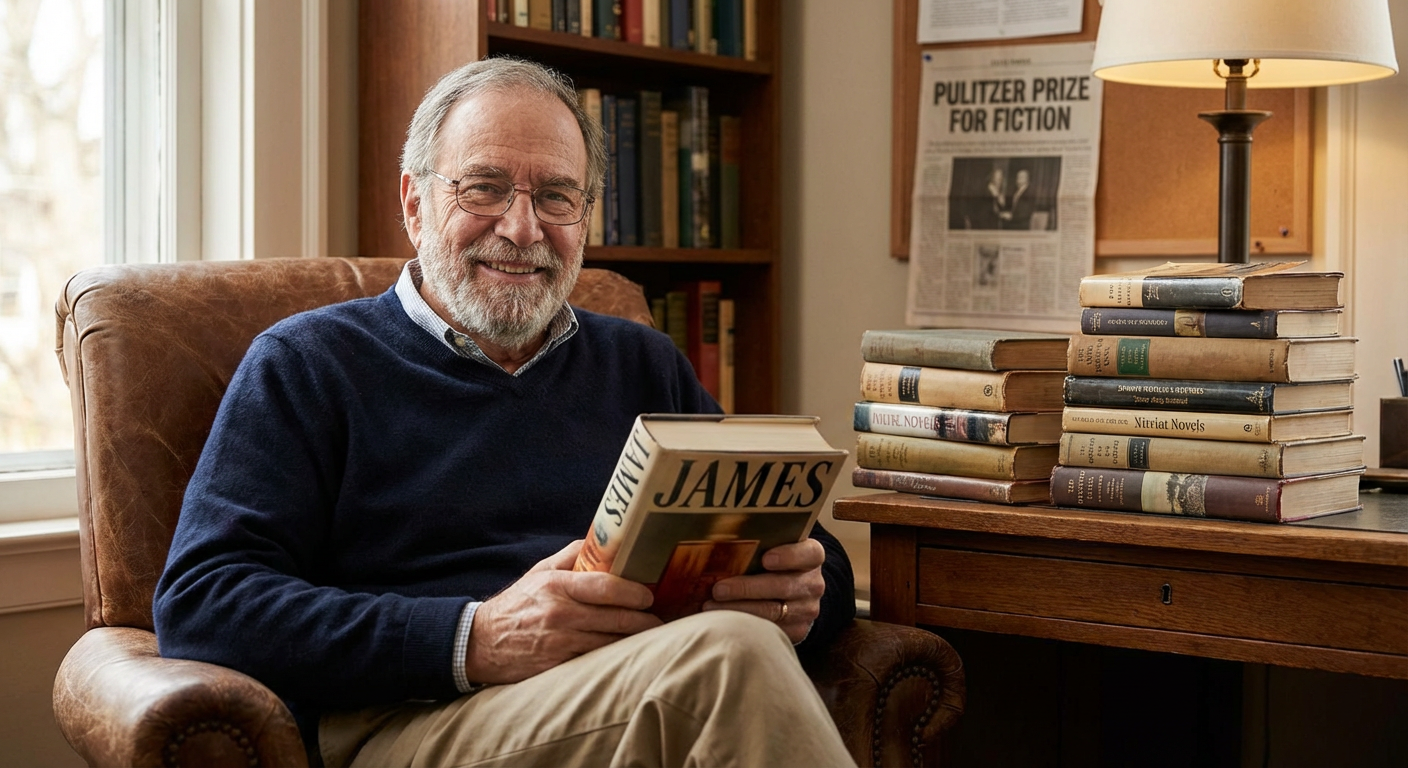
The Numbers That Tell the Real Story
Here’s where things get genuinely puzzling. James spent exactly four weeks on the New York Times hardcover fiction bestseller list. Four weeks. Meanwhile, debut romantasy novels released in the same period spent thirty weeks or more on those same rankings. Over 500,000 copies have sold in the US through early 2025 according to Doubleday, which is respectable, but still trails debut fantasy romance novels by millions of units.
Think about what that means. A sixty-six-year-old author who published over twenty novels before this moment finally reaches a mainstream audience by winning two of the most prestigious prizes in literature. And it still barely budges the commercial needle. The disconnect isn’t subtle. It’s alarming.
This isn’t a complaint about romantasy readers or their preferences. It’s an observation about how literary visibility actually works in 2025. Prize recognition, however prestigious, doesn’t automatically translate to shelf space, social media algorithms, or casual bookstore browsers turning their heads. The system treats literary prizes as credentials for the already-converted rather than invitations for the undecided.
Everett’s Quiet Decades Before the Spotlight
Everett’s path makes this oversight even more troubling. Before James landed on every major literary prize shortlist, he was writing novels that deserved far more readership than they got. The Guardian’s profile of Percival Everett and NPR’s coverage both emphasized this: here was an author with deep roots in American literary fiction, working steadily for decades, suddenly declared important. But important to whom, exactly?
The journalism around his Pulitzer win treated his earlier work as setup, as backstory leading to this moment. Over twenty novels. That’s a career. That’s a body of work. That’s a writer who has earned the right to be read. But most readers discovering Everett in 2024 and 2025 learned about those previous books as trivia, not as a reason to seek them out.
This reveals something uncomfortable about how literary culture operates. We love an overnight-success narrative even when it’s transparently false. We’re drawn to the story of sudden recognition more than the reality of sustained craft. Everett’s earlier novels sit there, waiting. Some brilliant. Some experimental. All overlooked until the prizes made overlooking them awkward.
What James Actually Does, and Why It Matters
The novel itself deserves the attention because it does something genuinely important. Retelling Huckleberry Finn from Jim’s perspective isn’t a clever gimmick. It’s a necessary act of literary reckoning. Twain’s novel is canonized in American classrooms despite its racial slurs and its troubling depiction of Jim. Everett’s James takes that legacy seriously. He doesn’t erase Twain. He rewrites the terms of who gets to be the center of the story.
That’s not just literary criticism in novelistic form. That’s an intervention. A book that should change how we teach American literature. A book that should spark conversations across book clubs, classrooms, and reading communities. Instead, it won prizes and then people mostly moved on to other things.
Building the Reading Path Forward
If you haven’t read James yet, start there, obviously. But then keep going. Pick up one of Everett’s earlier novels. Erasure, his 2001 satirical masterpiece about a Black writer navigating the publishing industry, reads differently now. I, Virgil reads differently. The Water Cure. Swimming Studies. Each one shows a writer thinking deeply about American identity, narrative structure, and what it means to claim space in literature.
This is how we push back against awards without readership. We don’t wait for the next prize season. We don’t ask permission from bestseller lists. We read the work and recommend it to others. We notice when a bookstore doesn’t stock an author’s backlist and we ask why. We request these books from our libraries. We talk about them in the spaces where we actually talk about books.
Everett won the Pulitzer. He won the Booker. These are real achievements that reflect real quality. But prizes are only the beginning of what should happen next. The actual work of literary recognition is ongoing, personal, and collective. It happens one reader at a time, one recommendation at a time, one classroom at a time. So what were you planning to read next?